Why is this decision considered so important?
As the primary law for regulating water pollution at the federal level, the Clean Water Act was established in 1972. The goal was to help restore and maintain the country’s navigable waters, also known as Waters of the United States (WOTUS). Those
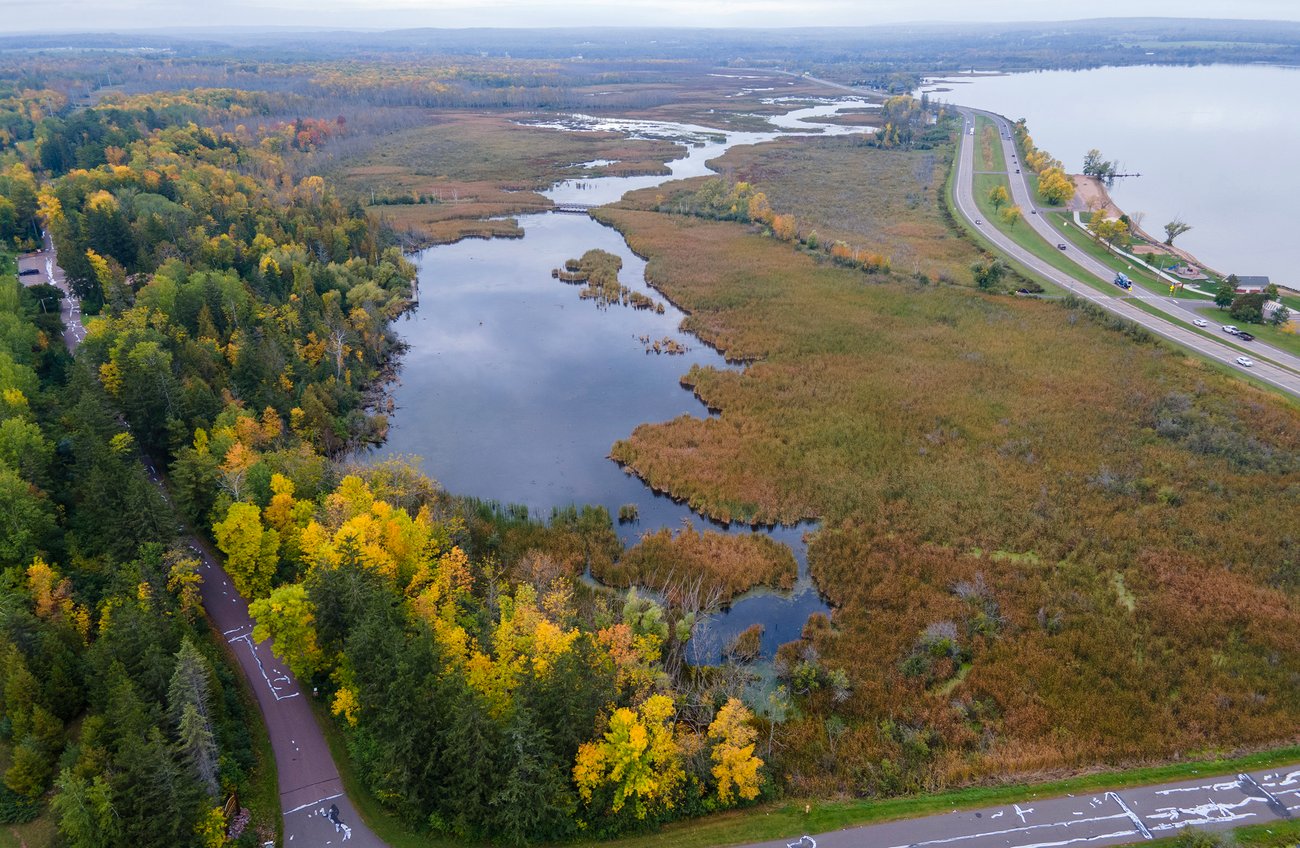
included wetlands, one of the most important ecosystems for maintaining water quality, controlling erosion and protecting endangered species. Before the Clean Water Act was passed by the U.S. Congress, some experts estimated that wetlands were disappearing at a rate of about 460,000 acres per year.
The Sackett decision has caused the EPA and the Army Corps of Engineers to propose a new definition of what constitutes a wetland. For example, wetlands without a continuous surface connection to navigable waters would no longer be subject to federal regulations. It has been estimated more than half of all U.S. wetlands could be at risk of losing their federal protections.
The proposed rule change was announced last November. At the time, it was praised by the head of the EPA, Lee Zeldin, who said it would help to accelerate economic growth.
“We heard from Americans across the country who want clean water and a clear rule,” Zeldin said in a press release. “No longer should America’s landowners be forced to spend precious money hiring an attorney or consultant just to tell them whether a Water of the United States is on their property.”
The move was also commended by industry organizations for housing and development, as well as agriculture groups. Some environmental advocacy groups, however, have raised concerns about the potential impact.
What might happen to local clean water?
As the executive director of the Izaak Walton League of America, Jared Mott said the proposed rule was “terrible” for clean water. Particularly for communities that rely on wetlands and river systems for drinking water. Eventually, he said, they might see increased costs to make it safe for consumption.
“I grew up in Vicksburg, Mississippi. My drinking water came from the Mississippi River, and we know it's not debatable,” Mott said.
Wetlands act as natural filtration systems and are capable of holding down sediment with their complex root systems. They can also absorb the runoff from pesticides and other harmful pollution. As a result, wetlands can actually help communities save money from waste water treatments.
How might this impact homes and communities?
The litigation that led to the Supreme Court decision was motivated in part by a family’s desire to build a home on a lot that contained wetlands. Since then, groups like the National Association of Home Builders have commended the EPA for its proposed
rule changes to align with the court decision. Yet, aside from the ecological impact, there are other considerations to be had when building or buying a house near wetlands.
Mark Davis, a professor of environmental law at Tulane University, said that building homes in wetlands without the proper mitigation efforts or controls will lead to a handful of problems, such as increased flooding, higher insurance costs and decreased values.
“You shouldn't build in wetlands because they're wetlands. They will flood. They will sink,” Davis said.
What does this mean for state-level regulations?
While the EPA and other federal agencies like the Army Corps of Engineers are primarily responsible for regulating federal wetlands, there are still some that are managed by tribes and states. However, experts like Davis have warned that the proposed rule changes will create a checkerboard effect in which some states are more prepared than others.
For example, Wisconsin currently has its own standalone program that is not completely “beholden” to the federal jurisdictional determinations, according to Erin O’Brien, the policy programs director at the Wisconsin Wetlands Association. That’s important, she said, because of the public health, safety and economic consequences that may result from flooding and water quality issues.
“The more we leverage our policies to disrespect those dynamics, the water is still going to have its way,” said O’Brien.
What happens next?
The comment period on the EPA’s proposed rule ended on Jan. 5 and a final decision has not yet been published. The Army Corps of Engineers has previously said it may stop regulating wetlands as a result of the Sackett decision.
|