|
Dear ,
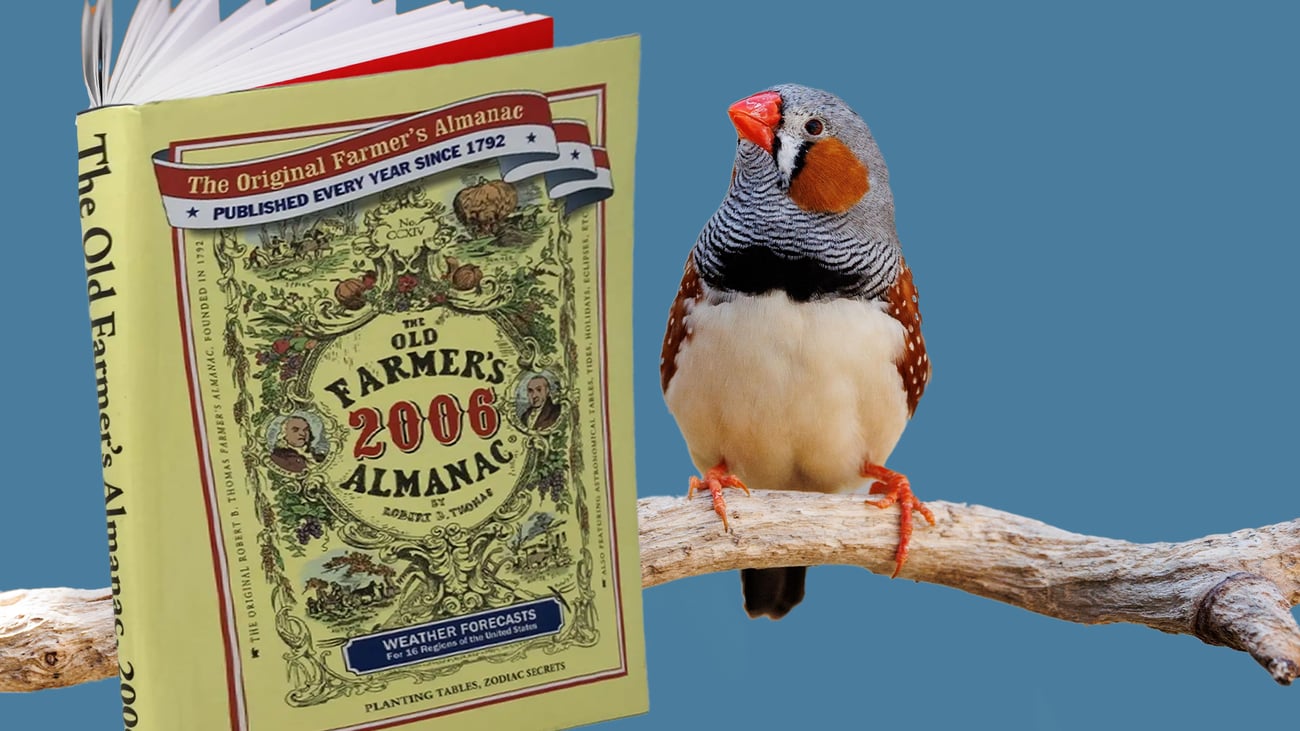
Farmers' Almanacs are an iconic fixture in stores and homes across America: They've got colorful covers with old-timey illustrations, and are filled with incredibly granular advice. This includes everything from the best time to plant specific crops, when's best to wean calves, and how to time your concrete pouring. While much of their planting guidance is based on historical weather patterns, other advice often veers into what many lovingly refer to as "old wives' tales."
As a journalist, it's amazing to me that these publications have endured over centuries. So I was sad to learn that one of the most popular Farmers' Almanacs, which started publishing in 1818, was shutting down. That publication has since reversed that decision, thanks to a new owner, but it points to a larger question: Is there still a place for Farmers' Almanacs in 2026?
I wanted to learn more about if farmers actually use these books, especially as climate change has made weather patterns more unpredictable. I chatted with several producers while researching this story, and found a range of attitudes about the publications. Some told me they were bunk, while others said they have some valuable advice. But they were united in one thing: None of them actually relied on Farmers' Almanacs for farming.
For our podcast episode, we brought together a Missouri farmer, Liz Graznak, and astronomer and Farmers' Almanac contributor Dean Regas.
As an Expert Journalist for the Ag & Water Desk, I get to support and mentor our team of reporters. One of the ways we do this is sharing pieces like this from our home publications, as inspiration and instruction for their own local reporting. I hope you enjoy the conversation!
Listen to the full Science Friday episode here.
|