|
Hi ,
As the government shutdown has dragged on, leaving hundreds of thousands of federal employees without pay and millions of Americans worried about where their next meal will come from, our reporters have been covering the impact of SNAP delays in their communities.
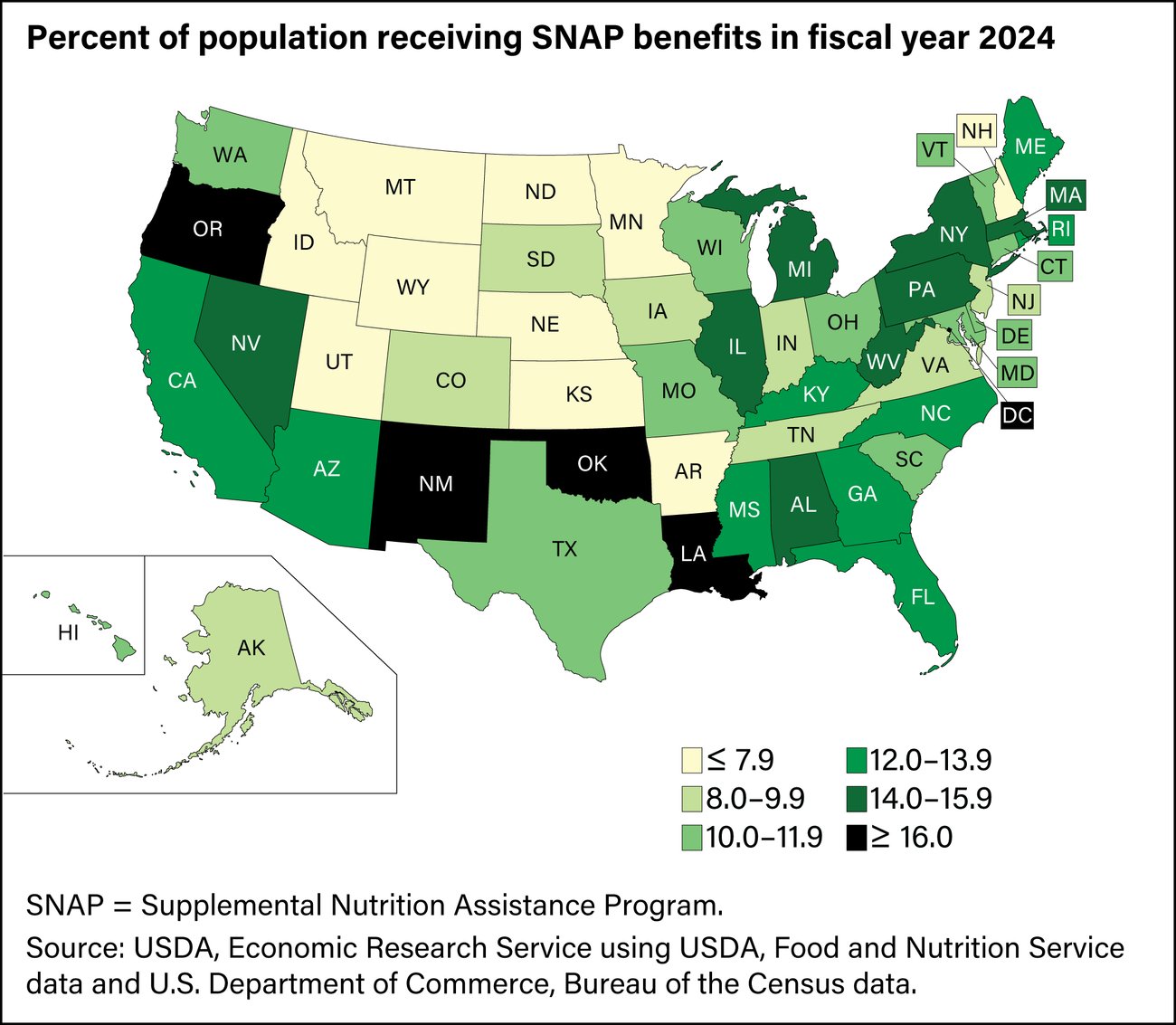
SNAP, the Supplemental Nutrition Assistance Program, is critical for many across the Mississippi River Basin and the country. In 2024, the program served an average 41.7 million people each month, with an average benefit per person of $187.20 a month, according to USDA data.
|
 |
|
Percent of population receiving SNAP benefits by state. Credit: USDA |
|
|
|
About 12% of U.S. residents received SNAP benefits last year. The map above lets us see which Basin states fall above and below that average, and it gives us additional insight into the issues our neighbors may be experiencing. (You can also dig into the full dataset here.)
Though it sounds like an end to the shutdown may be in sight, we want to share some stories with you from the last few weeks. Here's how our reporters covered the real people impacted by the loss or delay of these critical benefits and the organizations and individuals stepping in to help.
|
|
|
|
|
 |
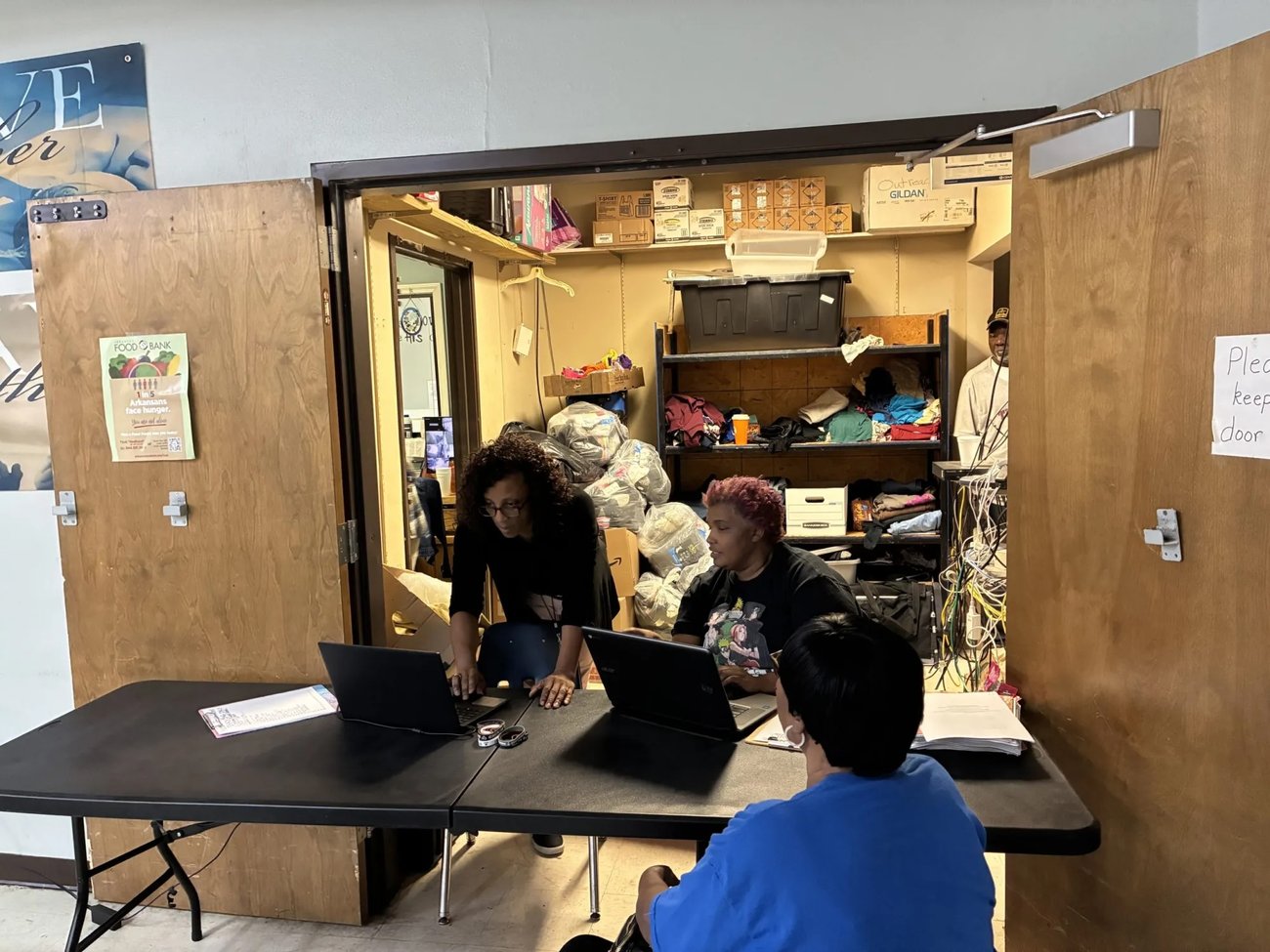
By Phillip Powell, Arkansas Times
With SNAP payments still in limbo, low-income Arkansans are rushing to food pantries and hoping to get enough food to hold them over until benefits are restored. But even with an enormous groundswell of donations, the charitable food network cannot make up all the increased demand for food that's come with the government shutdown. |
|
|
|
|
|
|
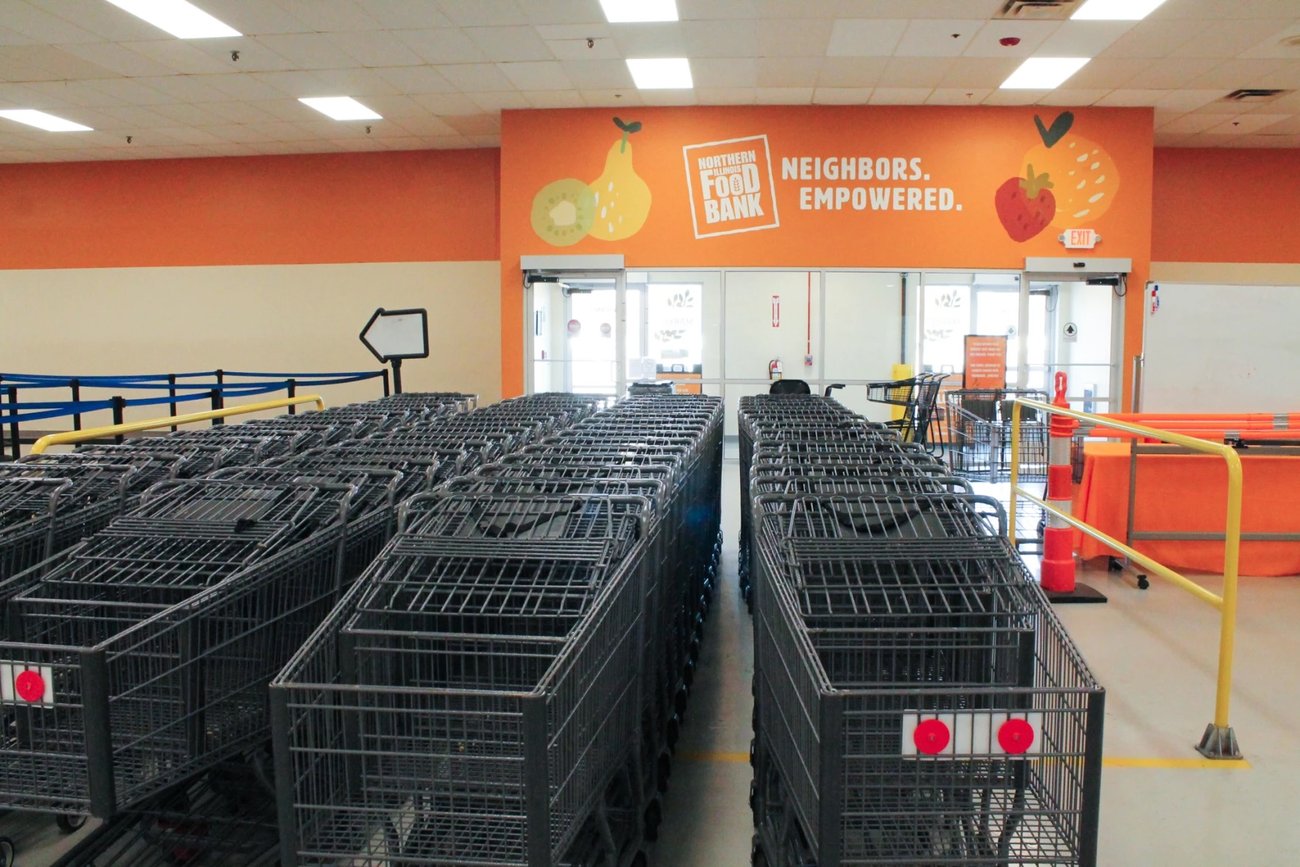 |
By Jess Savage, Northern Public Radio
At the Northern Illinois Food Bank's Neighborhood Market in Rockford, Illinois, volunteers lined up shopping carts to keep them ready to roll. The food bank expected more than a thousand neighbors to visit the Market this week. But Market Supervisor Thalia Uribe said there was such an influx of new neighbors who needed to be registered that fewer than 800 people were able to shop. |
|
|
|
|