 |
|
Desk reporter Illan Ireland of the Mississippi Free Press |
|
|
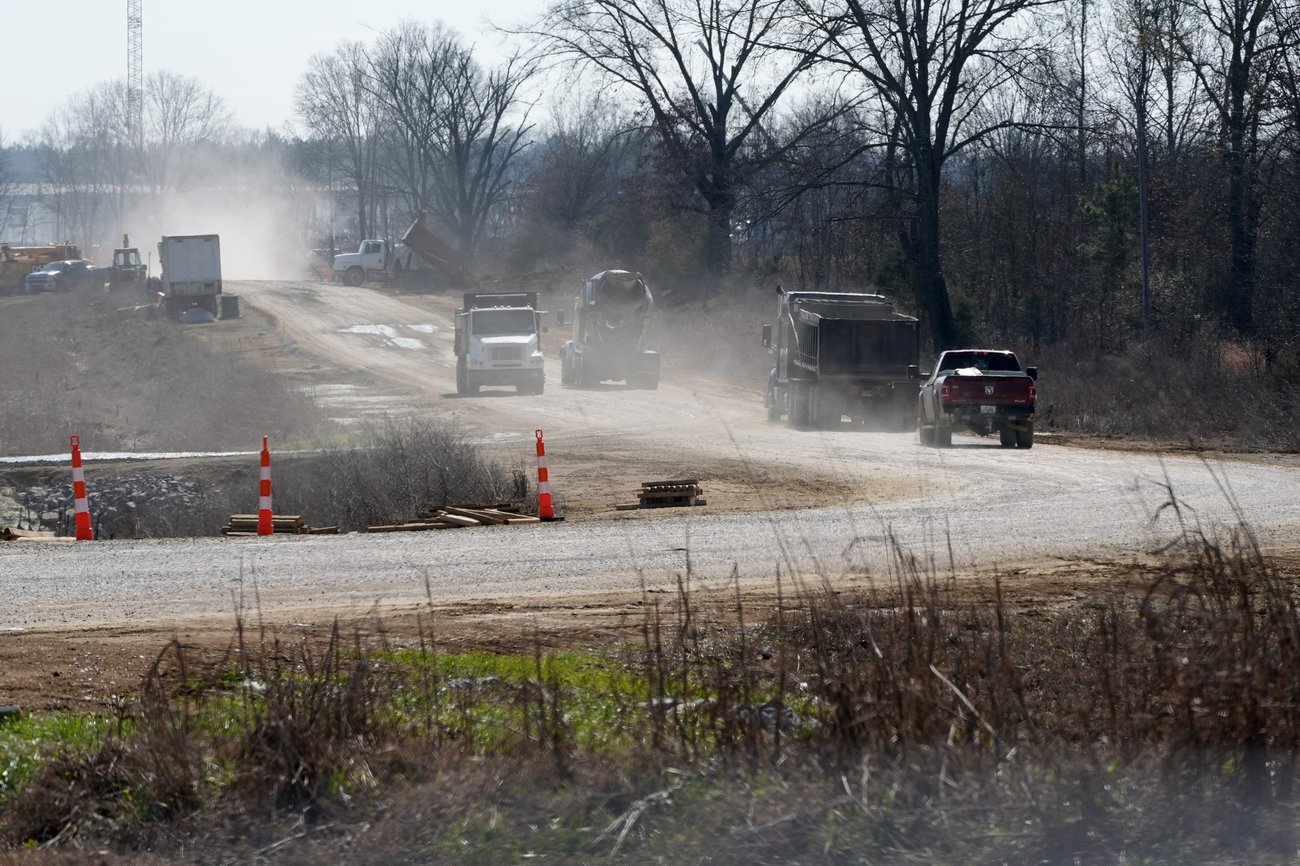
"A major takeaway from my reporting was how quickly and quietly these projects can move forward without the knowledge or consent of surrounding communities. In Canton, many homeowners living across the street from an AWS data center campus said they had no idea the facility was coming until after construction had started. In Southaven, state regulators approved a controversial power source for xAI’s data centers in the area despite overwhelming opposition from residents. |
|
|
|
One of the challenges about reporting on these projects in their early stages is that so many questions remain unanswered. To what degree will data centers’ power needs affect utility rates for nearby households once the facilities are fully operational? How will their water consumption impact potable water supplies in areas like the Basin, and could using treated wastewater for server cooling (as AWS has committed to in Canton) have unintended consequences? Will data centers’ growing reliance on diesel fuel for emergency power affect air quality around the facilities? These are all things that I plan to monitor as I continue reporting in Mississippi." |
|
|
 |
|
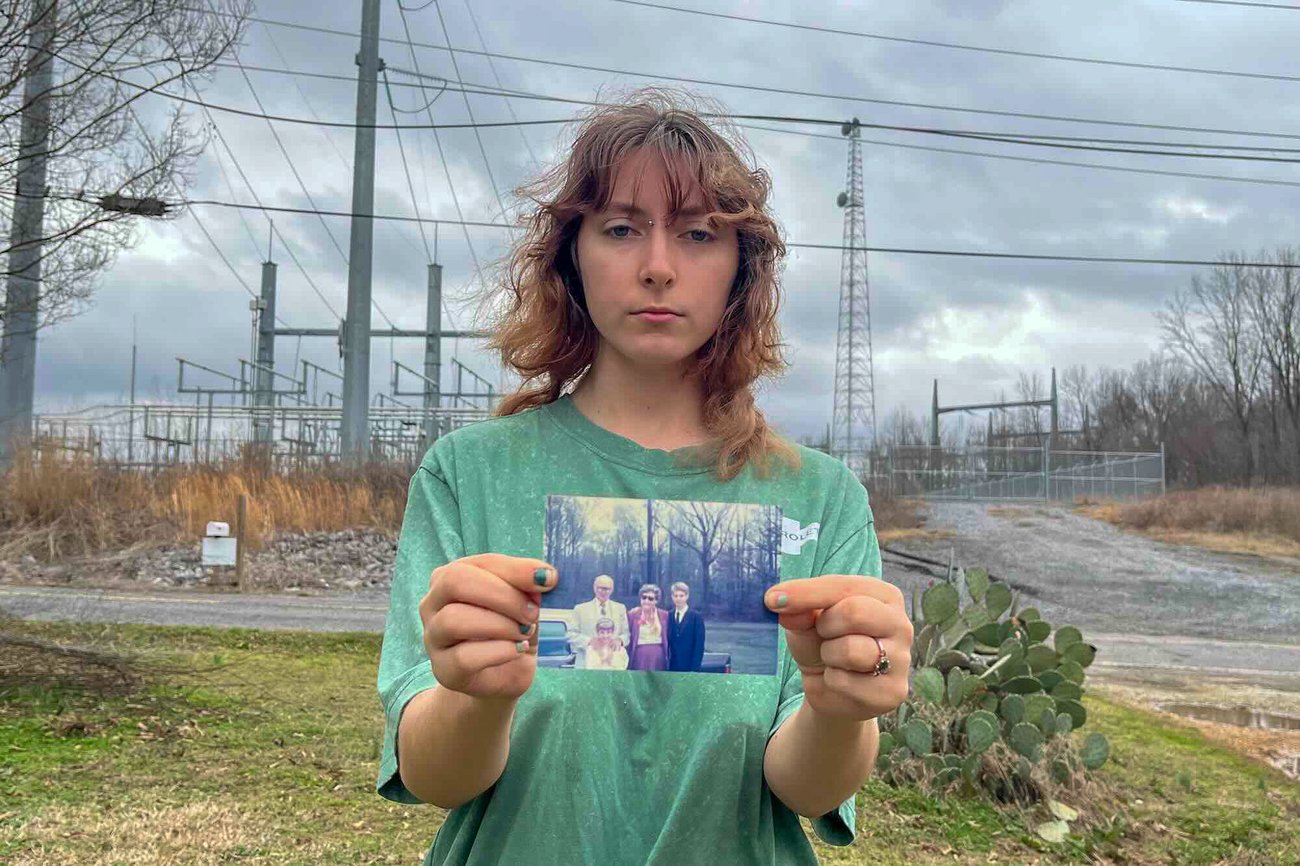
Devan Jenkins, seen outside her home near the Mississippi-Tennessee border, holds an old family photo showing the dense woods that once surrounded her property. Jenkins has watched xAI’s Colossus 2 data center and other industrial development replace those trees.
(Illan Ireland/Mississippi Free Press) |
|
As Illan mentions, a big mystery is how data centers will keep all those servers cool. Tech firms often treat that information as a trade secret, and in our water-abundant region, local authorities and the general public don’t have much power to pry that information loose. But what happens if there’s a drought and water districts have to choose between serving the massive needs of a data center and the demands of other users? Out West, that question is already being asked. It could soon be one we’re confronting here.
We also want to approach this debate fairly. We recognize that this very newsletter almost certainly arrived on your device via a data center. Without them it would be impossible to stream a movie, browse a news site or hold a videoconference. And future technologies will require sharing and processing even more data. For example, some researchers are exploring the use of robots to scout fields for signs of crop disease. Turning that data into an action plan for a farmer requires computing power. Where will that power come from, and are the benefits worth the tradeoff?
The answer may very well be yes. But the important thing is that we’re asking these questions. And as a Desk, we’re committed to helping find the answers. Look for those stories in the coming weeks!
|
|
|
|
Sincerely,
Chas Sisk
Editorial Director,
Ag & Water Desk |
|
|