Share
Reflections and reporting on phenology, the study of seasonal cues from budding flowers to migrating birds
 ‌ ‌ ‌ ‌ ‌ ‌ ‌ ‌ ‌ ‌ ‌ ‌ ‌ ‌ ‌ ‌ ‌ ‌ ‌ ‌ ‌ ‌ ‌ ‌ ‌ ‌ ‌ ‌ ‌ ‌ ‌ ‌ ‌ ‌ ‌ ‌ ‌ ‌ ‌ ‌ ‌ ‌ ‌ ‌ ‌ ‌ ‌ ‌ ‌ ‌ ‌ ‌ ‌ ‌ ‌ ‌ ‌ ‌ ‌ ‌ ‌ ‌ ‌ ‌ ‌ ‌ ‌ ‌ ‌ ‌ ‌ ‌ ‌ ‌ ‌ ‌ ‌ ‌ ‌ ‌ ‌ ‌ ‌ ‌ ‌ ‌ ‌ ‌ ‌ ‌ ‌ ‌ ‌ ‌ ‌ ‌ ‌ ‌ ‌ ‌ ‌ ‌ ‌ ‌ ‌ ‌ ‌ ‌ ‌ ‌ ‌ ‌ ‌ ‌ ‌ ‌ ‌ ‌ ‌ ‌ ‌ ‌ ‌ ‌ ‌ ‌

Weekly newsletter: April 15, 2026


View in browser | Forward to a friend | Subscribe

Spring is arriving earlier across the Basin

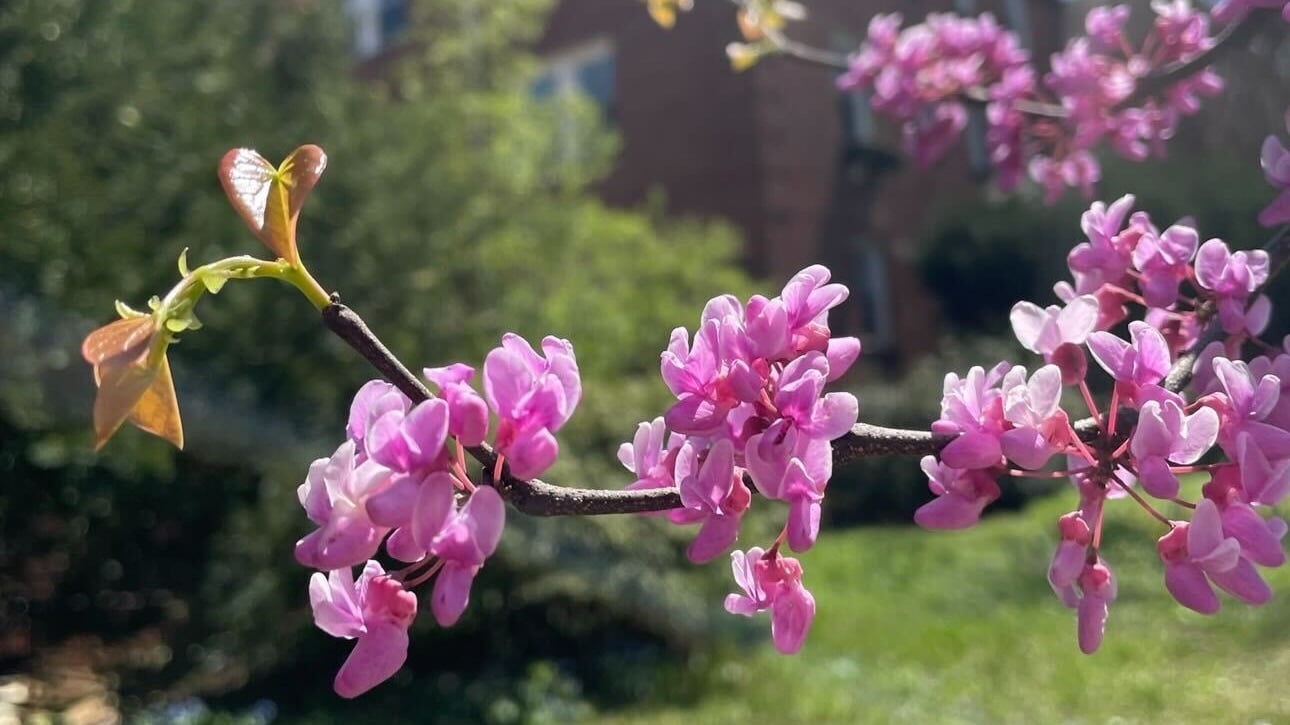
Eastern redbuds are among the first trees to flower in the spring. You can tell by their flowers that they're members of the pea family. (Photo: Héctor Alejandro Arzate)

Dear , 


The redbud tree outside my kitchen window brings me joy in early spring. Its magenta flowers cluster around bare branches, the nectar providing food for native bees and butterfly caterpillars. The pea-like blossoms are edible to humans, too — they can be sprinkled on salads or made into hot-pink syrups or jellies.


This year, though, a snowstorm followed the early spring heat wave, killing the redbud flowers before we could enjoy them. It’s another example of the temperature turbulence that’s becoming increasingly common.


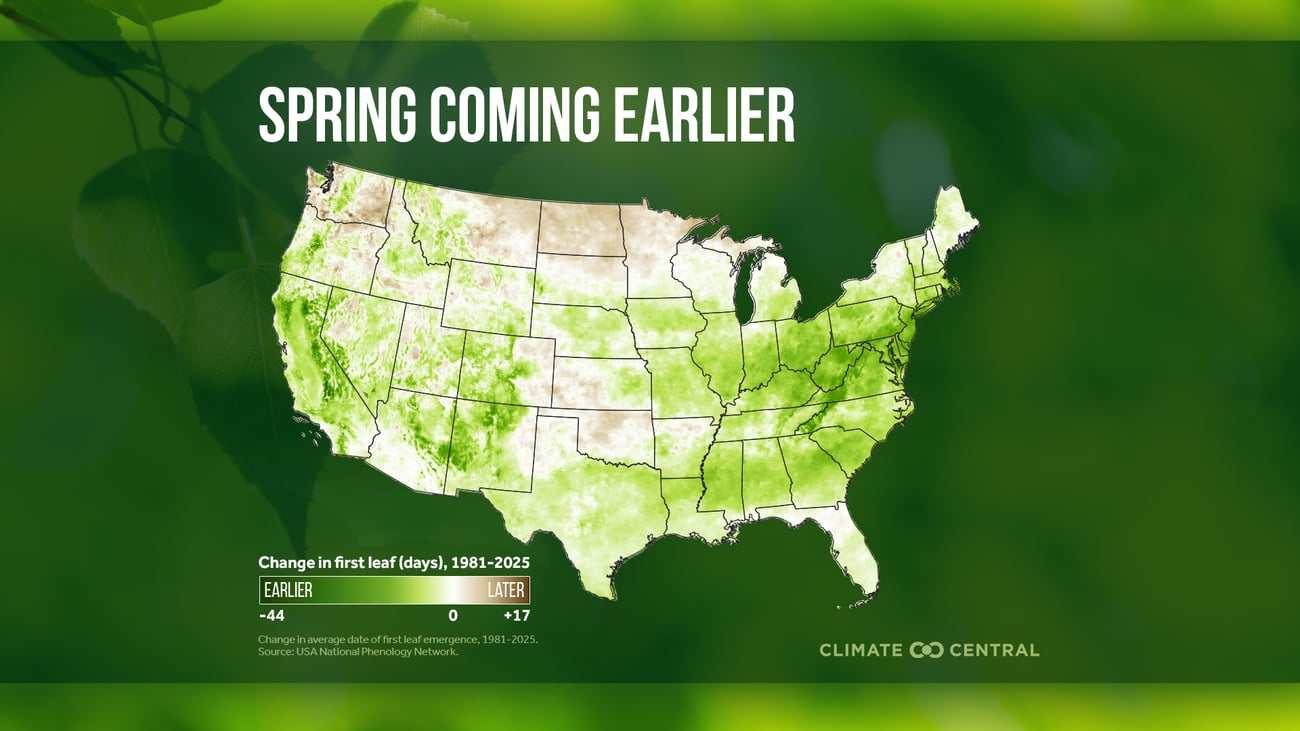
The Ag & Water Desk recently reported on how spring is arriving earlier across most of the Mississippi River Basin. In St. Louis, for example, the first leaves arrive seven days earlier on average, according to a Climate Central analysis of data from the USA National Phenology Network. Phenology is the study of seasonal cues such as the cherry blossom bloom, the arrival of spring peepers and the migration of songbirds. Community members can join in tracking these occurrences in the Nature’s Notebook program.


Changing weather patterns can have serious implications for crops, animals and people. Desk reporter Héctor Alejandro Arzate, one of my graduate students at the University of Missouri School of Journalism, shares how he reported the story:


Héctor Alejandro Arzate,

Ag & Water Desk

"As an environment and agriculture reporter, I often hear from farmers and local communities about unpredictable weather. While it may sometimes seem anecdotal, a shifting climate can have a real impact on people’s daily lives — and it’s our job to report on that. So when this recent analysis on the increasingly early arrival of spring came across my desk, I wanted to learn more.


Climate scientists analyzed more than 40 years of data on when spring leaves arrive throughout the lower 48 states. They found that 212 out of 242 (about 88%) of major U.S. cities experience their leaf-out six days earlier on average. But what does that mean for communities throughout the Mississippi River Basin?

As in St. Louis, the leaves in Memphis have shifted seven days earlier. Meanwhile, New Orleans got its spring two days sooner. The variation is likely due to what one expert called “climate controls.” That is, the differences in latitude, elevation, wind patterns, proximity to bodies of water, ocean currents and topography.


Like many reporters, I sometimes feel intimidated by numbers. Thankfully, I was able to lean on the training I received in graduate school and approach the report like a researcher. To start, I read the top of the report like an abstract, followed by the conclusion and the methodology section. 


I’m not a scientist, so this helped me better understand the analysis and get beyond the data. This is important because we wanted this story to explain the impacts of earlier springs, like birds migrating too soon, crops being destroyed by frost and increased pollen worsening people’s allergies.


At the Ag & Water Desk, we try to approach these stories in a way that is helpful to our readers — whether they are climatologists, soybean farmers or just curious folks. We get out and talk to people about their experiences so that others can see what is at stake. That's what I'm proud of in this story."

A map featured in the Desk's reporting on earlier spring. (Courtesy: Climate Central)

Read the full story here: Climate experts say spring is coming earlier. How will that affect agriculture and ecosystems?


We hope you enjoyed the piece. Help us reach more people with news about our natural world by forwarding this newsletter to a friend who might enjoy it.


And before we go: this week, the Ag & Water Desk team will be at the Society of Environmental Journalists conference in Chicago. Follow our Instagram page for live updates.


Sincerely,


Sara Shipley Hiles

Executive Director

Ag & Water Desk


The Mississippi River Basin Ag & Water Desk is an independent reporting network based at the University of Missouri in partnership with Report for America, with major funding from the Walton Family Foundation. Click here for a map of the basin and our partner newsrooms.


Reach us at info@agwaterdesk.org or by replying to this email. 


Email Marketing by ActiveCampaign