|
Dear ,
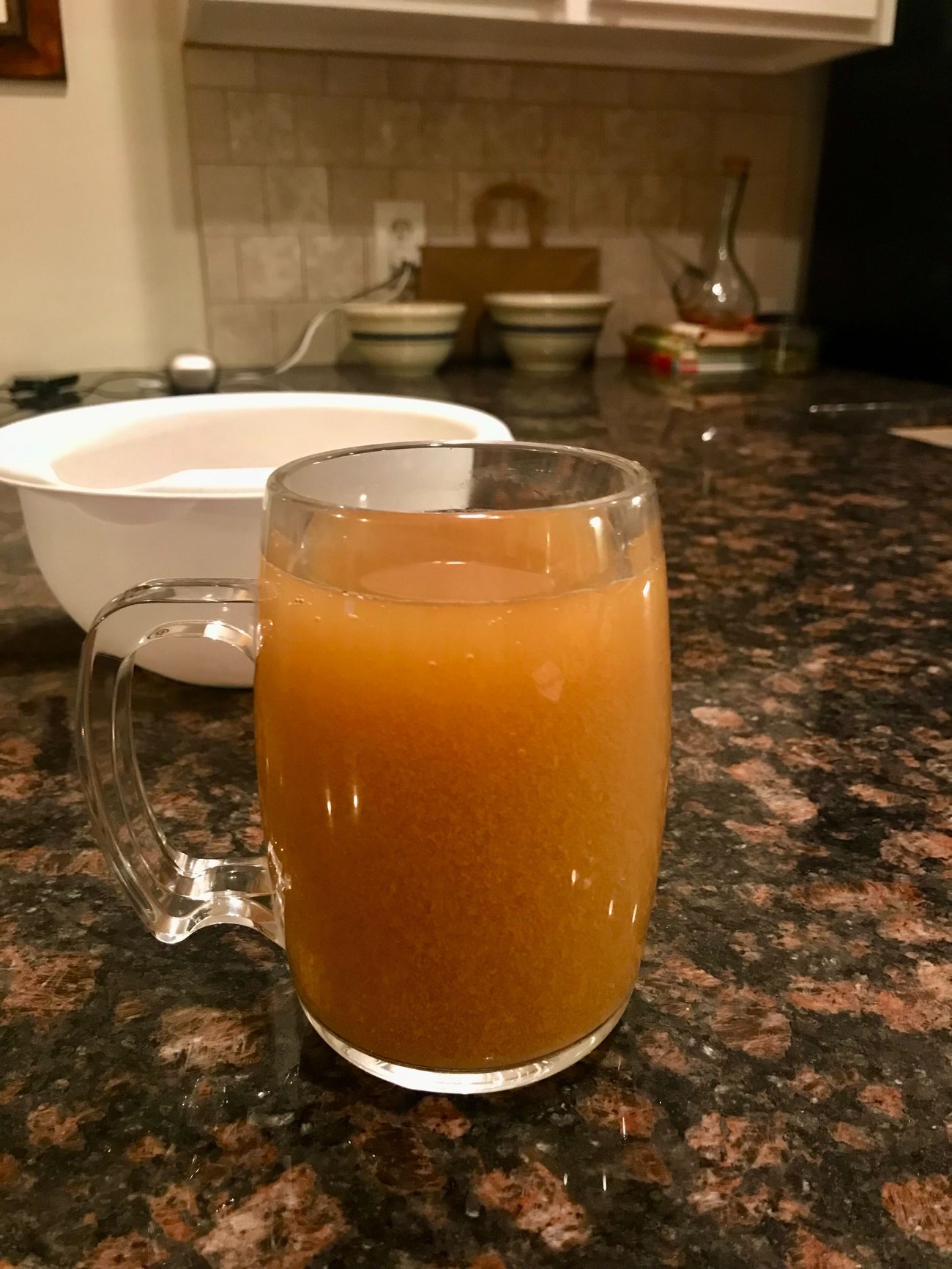
There have been questions about the water in my hometown in South Carolina for as long as I can remember. And a quick online search of the words “boil notice” and the town’s name shows good cause. I can find documentation of three distinct instances of warnings about the water sent in the past few years. The latest was just seven months ago: Video of water as brown as sweet tea running from a tap. City officials explaining how busted pipes leaked “turbid” water into the supply of clean water. Kids in my old schools being issued bottled water because the fountains aren’t safe.
So when I learned the Desk was looking into the failures of small water districts, I was excited. Finally, someone was going to take on an issue that challenges many in rural America every day.
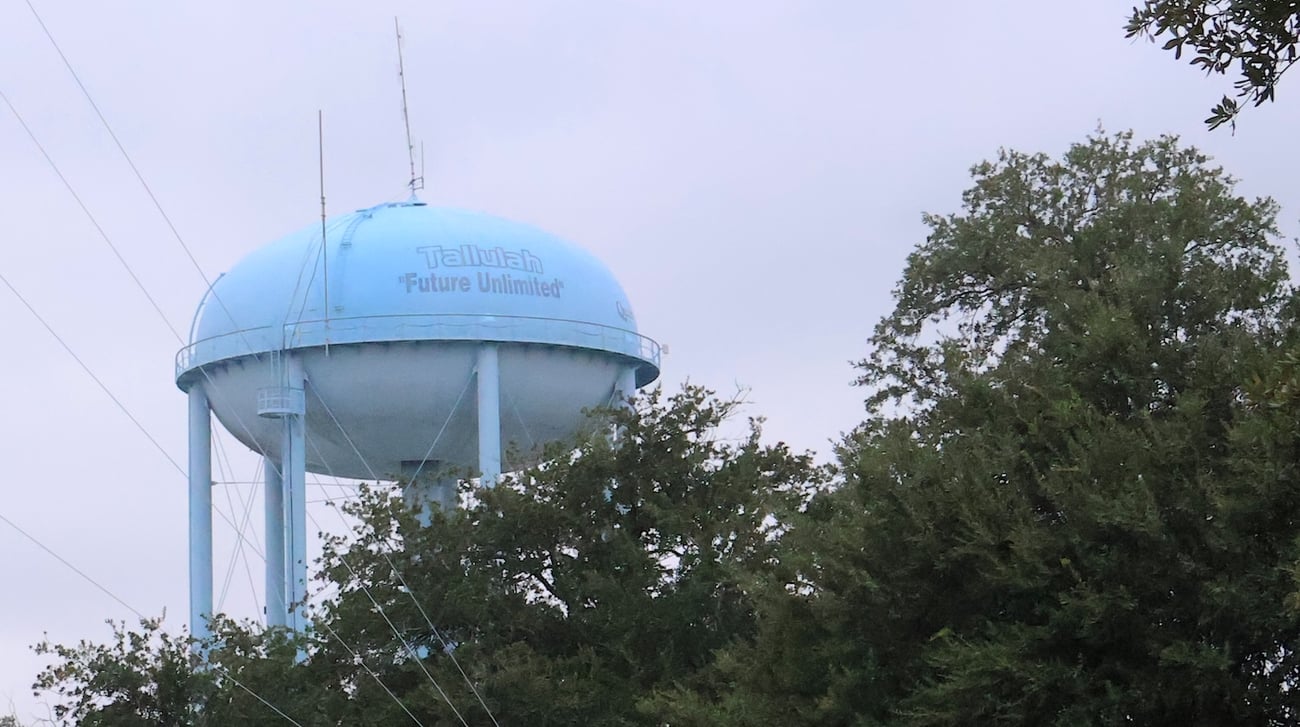
I’ve only been with the Desk since December, so I cannot take much credit for this idea. The seeds go all the way back 18 months. It was last fall when the Louisiana Illuminator’s Elise Plunk, the Arkansas Times’ Phillip Powell and the Arkansas Democrat-Gazette’s Lucas Dufalla went out and gathered the stories of residents of Tallulah, Louisiana, and Cotton Plant, Arkansas — both of which have struggled for years to turn their water systems around.
But that was only the beginning. The Desk’s Jared Whalen found and analyzed a data set maintained by the Environmental Protection Agency that tracks compliance with federal water regulations. What he found is truly astounding. At some point in the last federal fiscal year, about one in two water districts serving fewer than 10,000 people had some sort of violation. One in three of those ended the year out of compliance. More than 3,000 systems were considered enforcement priorities, meaning they have “serious, unresolved or repeated violations.”
|
 |
|
Coffee-colored water from Donald Wood’s tap sits in a clear glass mug on his home’s countertop in 2024. (Courtesy of Donald Wood)
|
|
To be fair, every violation is not an indication the water is unsafe to drink. Many violations are for monitoring failures and missing public notice requirements. But as I can tell you from personal experience, even those can be troubling. We want to believe the water flowing through our pipes is safe enough to wash ourselves, clean our homes and drink. When that trust is broken, it’s not easy to regain. Fears of substandard water hinders economic development. It causes families to move away. And it can be a weight on communities that are already under strain. Unless you’ve seen that firsthand, it can be hard to appreciate. One person who’s long been involved in rural development told me this was the first time in years that he’s seen the mainstream media talk about water systems systemically, rather than as individual failures.
Here at the Desk, we are already working on follow-ups. We’ve also produced a breakdown of how small water districts are performing state by state. We encourage people everywhere — including fellow journalists — to explore the data and our interactive map to see where systems are failing. It’s part of our mission to support environmental journalism throughout the Mississippi River Basin — through our work directly and by giving people the tools to tell stories on their own.
I’m truly grateful to do this work, and for your support as readers and followers of the Desk. I hope our discussions can cause people to think more deeply about why so many small water districts are troubled, and what can be done to deliver the clean drinking water everybody deserves.
|
|
|
|
Sincerely,
Chas Sisk
Editorial Director, Ag & Water Desk |
|
|